
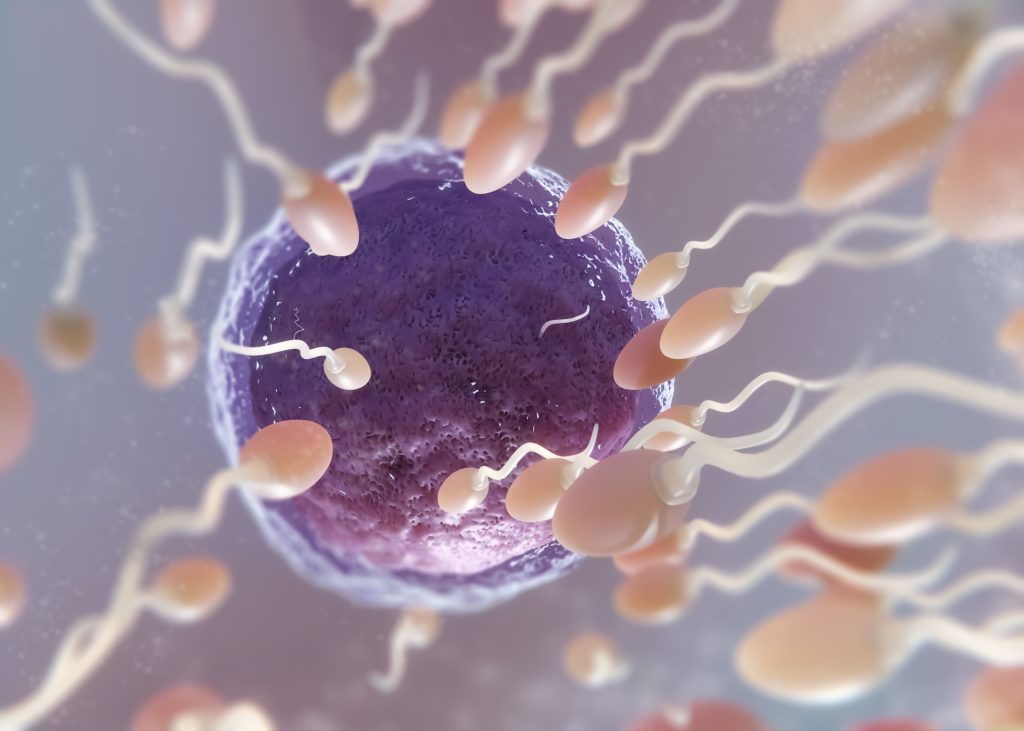

When it comes to fertility, women often get most of the attention. But here’s the real deal: sperm health is half of the equation! Men’s reproductive health plays a huge role in conception. So if you’re a man who’s thinking about having kids someday—or simply wants to optimize your health—understanding what goes on with sperm is essential.
Let’s get into the nitty-gritty of sperm production, quality, and how lifestyle choices can impact fertility.
How Sperm is Made: The Lowdown on Production
Men are pretty unique when it comes to reproduction. While women are born with all the eggs they’ll ever have, men produce sperm throughout their lives. But this isn’t a quick process. Here’s how it works:
- Spermatogenesis: The process of creating sperm takes around 64-72 days from start to finish. The body continuously produces sperm, with millions of new sperm cells made every day.
- Maturation: After production, sperm move to the epididymis, a structure behind each testicle where they mature for about two weeks. Once ready, they’re stored here until needed.
- The Great Swim: When ejaculation occurs, the sperm mix with seminal fluid, forming semen, and head out on their journey with the hopes of reaching an egg.
Fun Fact: The average ejaculation contains anywhere from 15 million to over 200 million sperm per milliliter! But only one lucky sperm will get to fertilize the egg.
Why Sperm Health Matters for Fertility
When it comes to fertility, it’s not just about quantity—it’s about quality too. Here are the key factors that make sperm fertile:
- Count: A higher sperm count increases the odds of conception. A count under 15 million per milliliter can make it more challenging to conceive.
- Motility: This is a measure of how well sperm swim. Slow or “lazy” swimmers may not reach the egg, impacting the chance of conception.
- Morphology: Sperm should ideally be oval-shaped with long tails. Abnormal shapes can affect the sperm’s ability to penetrate the egg.
Did You Know? In healthy sperm, only around 4% meet all the ideal standards of count, motility, and morphology!
Lifestyle Habits That Impact Sperm Quality
Wondering if your habits are helping or harming your fertility? Here’s a rundown of the most impactful factors for sperm health:
- Smoking and Alcohol
Both smoking and heavy alcohol use are proven sperm saboteurs. Smoking can lower sperm count and damage DNA in sperm cells. Excessive alcohol, on the other hand, is known to decrease testosterone levels, impair sperm production, and lower overall fertility. - Heat Exposure
Sperm production is a temperature-sensitive process. Regularly exposing testicles to high heat (think saunas, hot tubs, and even tight underwear) can reduce sperm count. Give your body a break from high temps when possible. - Diet and Exercise
A balanced diet rich in antioxidants (found in fruits and vegetables) is linked to better sperm quality. Meanwhile, too much processed food, sugar, and saturated fats can negatively impact fertility. Regular exercise also improves sperm health, but overdoing it—especially with high-intensity workouts—may have the opposite effect. - Stress
Chronic stress can mess with your hormone levels, which may impact sperm production. While reducing stress is easier said than done, finding ways to relax—whether through meditation, exercise, or hobbies—can benefit your fertility. - Environmental Toxins
Chemicals found in certain plastics, pesticides, and industrial materials are known to be harmful to sperm. Avoiding plastic containers (especially when heating food), eating organic produce when possible, and steering clear of harmful chemicals can help protect sperm health.
Pro-Tip: Ditching harmful habits now can have a significant impact on sperm health in the coming months since sperm takes around 2-3 months to fully mature.
Boosting Sperm Health: What Actually Works?
The good news is that there are real, science-backed ways to improve sperm quality:
- Eat Fertility-Boosting Foods: Load up on leafy greens, citrus fruits, nuts, seeds, and fish. Foods high in vitamins C, D, E, zinc, and omega-3 fatty acids support sperm health.
- Exercise Regularly, but Don’t Overdo It: Aim for moderate exercise like walking, running, or weightlifting. Overtraining and endurance sports may reduce testosterone.
- Sleep Well: Consistent, quality sleep is crucial for hormone production, including testosterone, which impacts sperm.
- Take Care with Heat: Avoid prolonged hot tub or sauna sessions, and if you’re a fan of tight jeans, maybe save them for special occasions!
- Consider Supplements: Supplements like CoQ10, folic acid, and zinc have been shown to boost sperm health. Always talk to a healthcare provider to know what supplement is suitable for you.
Call to Action: Take Charge of Your Fertility
If starting a family is in your plans—or even a possibility—why not take charge now? Start by making small, positive lifestyle changes to boost your fertility. And remember, taking care of your reproductive health doesn’t just help with conception; it also supports your overall health.
Picture credit: Freepik


