

You’ve taken your supplements. You’ve tracked your ovulation. You’ve even whispered motivational quotes to your uterus.
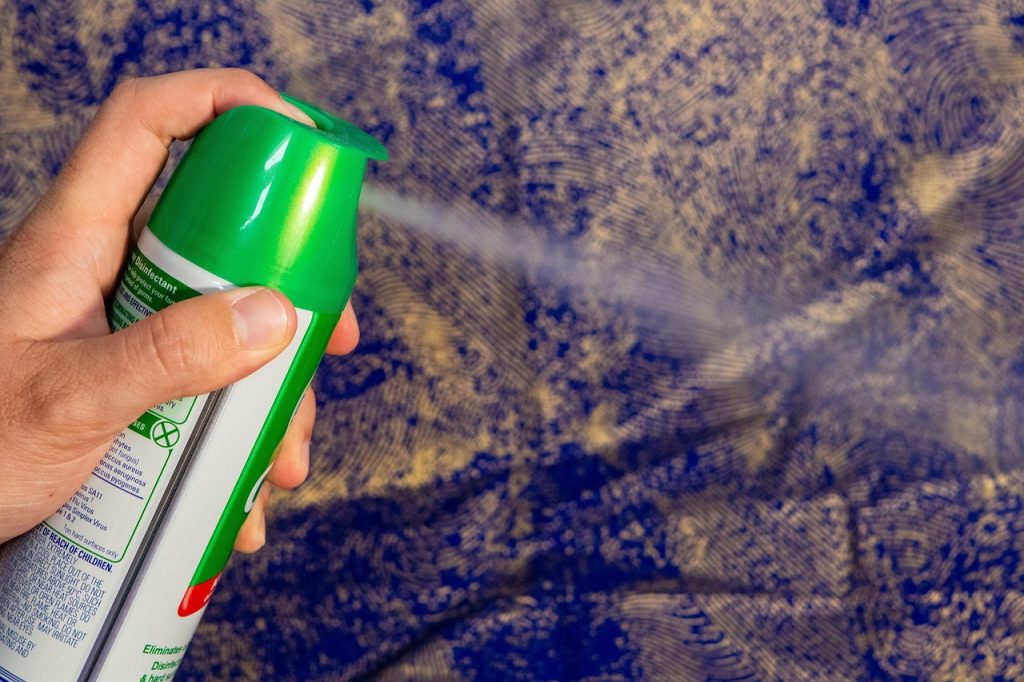
But what if your home—the very place you go to relax—is quietly working against your fertility goals?
From chemical-laced air fresheners to hormone-disrupting plastics, your living space could be full of subtle saboteurs that interfere with conception.
At Fertility Cliques, we’re all about the glow-up—and that includes your Fertility Education, Fertility Health Tips, and Fertility Lifestyle Changes. So today, we’re showing you how to turn your home into a haven that actually supports reproductive health. Because baby-making should never be derailed by toxic cleaning sprays or microwave containers from 2003.
Wait—How Does My Home Affect My Fertility?
Great question.
Your body is sensitive to its environment, and exposure to certain chemicals, pollutants, and endocrine disruptors (substances that mess with your hormones) can:
- Interfere with ovulation
- Disrupt menstrual cycles
- Affect sperm count and motility
- Increase the risk of miscarriage
- Lower the success of IVF treatments
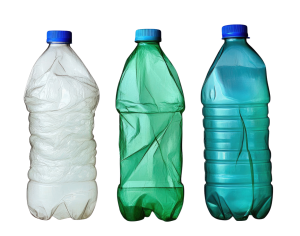
One major culprit? Endocrine-disrupting chemicals (EDCs) like BPA, phthalates, parabens, and flame retardants. These are commonly found in:
- Plastic containers
- Non-stick cookware
- Personal care products
- Household cleaners
- Air fresheners and synthetic candles
They sneak into your system and mimic hormones like estrogen and testosterone—confusing your body and disrupting reproductive function National Library of Medicine.
Real Talk: Abu and Naomi (Jos, Nigeria)
“We were eating clean and doing all the right things, but nothing was happening. Our doctor casually asked what cleaning sprays we used and told us to check for phthalates. I laughed—until we found half our home products were full of hormone disruptors. Once we cleaned that up and changed our cookware, we actually saw improvements in sperm count within 3 months.”
Sometimes, the fix isn’t always in your body—but around it.
How to Create a Fertility-Friendly Environment at Home
This isn’t about going off-grid or throwing away your entire life. It’s about making intentional swaps that support your hormonal harmony.
- Clean Up Your Cleaning Products
Many conventional cleaning agents contain harmful chemicals like:
- Ammonia
- Chlorine
- Phthalates
- Triclosan
These are known to affect hormone balance and can linger in your air and surfaces.
Fertility Health Tips:
- Switch to natural cleaners (castile soap, vinegar, baking soda)
- Choose products labelled “fragrance-free” or “phthalate-free”
- DIY your own citrus spray with lemon peels + vinegar + water
- Break Up With Plastics (Especially for Food)
We know—Tupperware is life. But BPA and phthalates in plastic containers and water bottles can leach into your food and drinks, especially when microwaved.
Fertility Lifestyle Changes:
- Use glass, ceramic, or stainless steel containers for food storage
- Never microwave in plastic
- Avoid bottled water stored in heat (like in cars or markets)
- Detox Your Bedroom (Yes, Even Your Sheets)
Your bedroom should be the ultimate fertility sanctuary. But it can also harbour hidden hormone hijackers.
Fertility Health Tips:
- Use cotton or bamboo sheets (synthetic fabrics can off-gas toxins)
- Replace air fresheners with essential oil diffusers (lavender and clary sage are TTC-friendly)
- Dust regularly—chemicals from electronics and fabrics settle on surfaces
- Turn off WiFi or put your phone on airplane mode while sleeping to reduce EMF exposure (the science is still out, but better safe than sorry)
- Ditch the Non-Stick Drama
That flaking non-stick pan? It could be releasing Perfluorooctanoic Acid (PFOAs) right into your eggs—both the breakfast kind and the biological kind.
Fertility Education Tip:
- Switch to cast iron, stainless steel, or ceramic cookware
- Avoid scratched or peeling non-stick surfaces
- Say goodbye to cheap takeout containers when reheating food
- Scan Your Skincare and Beauty Products
What you put on your body matters just as much as what goes into it. Many personal care products contain:
- Parabens (used as preservatives)
- Fragrance (a.k.a. “chemical cocktail”)
- Sulfates
- Synthetic dyes
These can absorb through your skin and impact hormonal balance over time.
Fertility-Friendly Swaps:
- Look for brands that are “paraben-free” and “fragrance-free”
- Use natural oils (like coconut or almond) as moisturizers
- Check ingredient lists—if you can’t pronounce it, maybe rethink it
- Bring Nature Indoors
Your home shouldn’t just be non-toxic—it should be nurturing.
Plants improve air quality, reduce stress, and enhance mood. And emotional health is reproductive health.
Great indoor plants:
- Snake plant
- Peace lily
- Aloe vera
- Spider plant
Pair them with soft lighting and calming colours to create a womb-friendly space that’s just as kind to your mind.
Your Home, Your Hormones, Your Power
The journey to conception is filled with uncertainty—but the environment you live in? That’s something you can control.
Whether you’re TTC naturally or prepping for IVF, the goal is to give your body the best possible chance to thrive. Creating a fertility-friendly home isn’t about fear—it’s about empowerment through awareness.
Because your wellness doesn’t stop at your ovaries or testicles. It begins in the air you breathe, the water you drink, the food you eat, and the space where you live, sleep, and love.
Final Thoughts: Baby-Proofing Isn’t Just for After the Baby Comes
We baby-proof outlets and sharp corners once the child arrives.
But what if we started pre-baby-proofing our homes to support conception itself?
At Fertility Cliques, we believe your home should be your ally, not your obstacle. So sweep the toxins out, stock up on clean-living swaps, and create a nest that nourishes your next chapter.
Because your future baby deserves a healthy beginning—and so do you. 💚
Sources


