
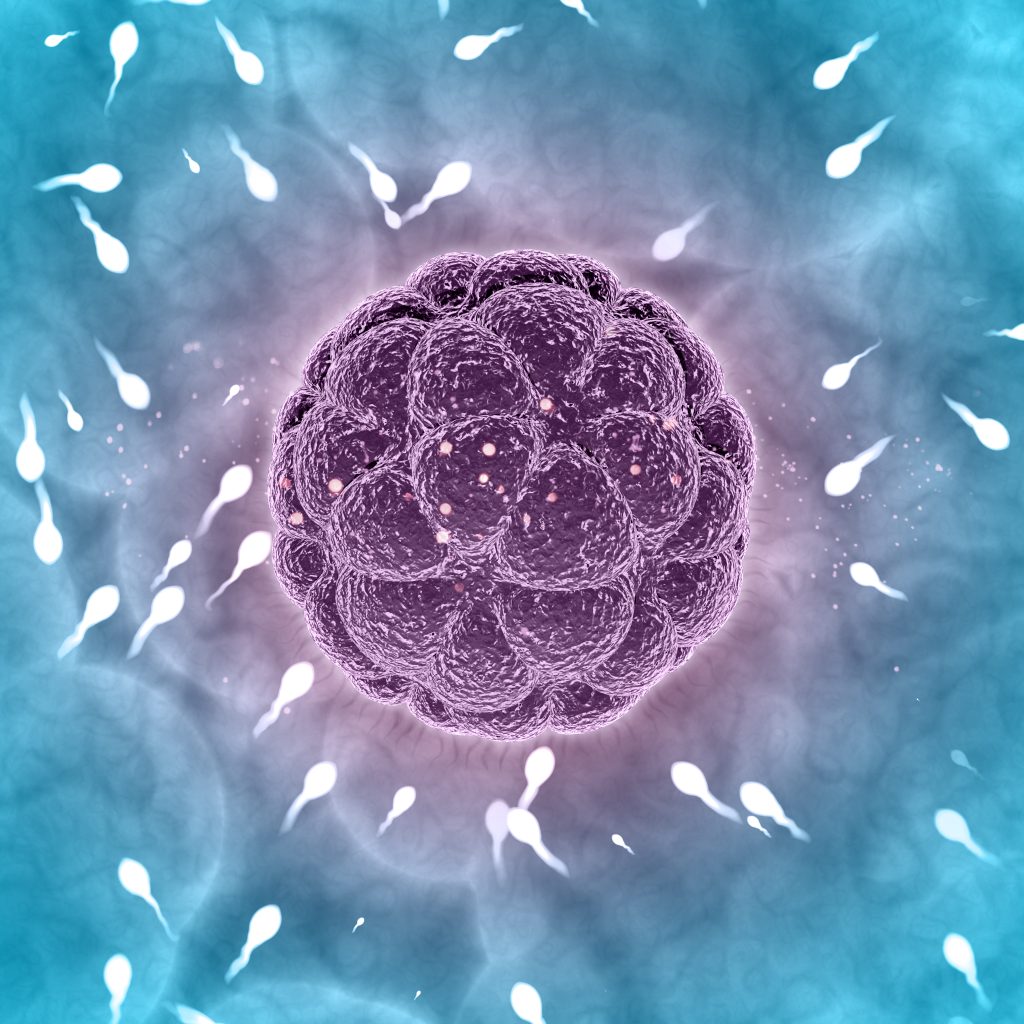

You’ve probably heard the buzz: egg freezing. It’s the modern woman’s answer to the ever-ticking fertility clock, right? A shiny, science-backed solution that buys you more time to get your career in check, find the perfect partner, or simply avoid the pressure of settling down when you’re not quite ready. But before you go shopping for the perfect ice tray for your eggs, let’s dive into the nitty-gritty of whether freezing those little gems is really the miracle fix it’s hyped up to be.
The Allure of Eggs Freezing
Picture this: You’re at brunch, sipping your mimosa, while your friends are discussing their baby plans, and you? You’re chilling because your eggs are safely tucked away in a medical freezer, immune to the aging process. Sounds like the ultimate life hack, right? And honestly, it kind of is.
Egg freezing is being touted as the go-to option for women who want to take control of their fertility without the pressure of immediate motherhood. It’s especially appealing if you’re career-focused, haven’t found “the one,” or just aren’t in a place to start a family right now. Thanks to advances in reproductive technology, more women are freezing their eggs to preserve fertility while keeping their life plans flexible.
But before you sign up to put your ovaries on ice, let’s break it down a bit.
The Pros: All the Cool Reasons to Freeze Your Eggs
- Taking Control of Your Timeline: The best part about egg freezing? It gives you options. You’re essentially hitting the pause button on your fertility, so if you want to focus on that promotion or meet your soulmate on your own timeline, egg freezing has your back.
- Younger Eggs, Higher Chances: Age is the ultimate boss when it comes to fertility. The younger your eggs, the better the quality—and quality is what matters when it comes to future pregnancy success. Freezing your eggs by age 30 means that even if you don’t get around to using them until later, you’ll have younger, healthier eggs to work with.
- Insurance for Uncertain Times: None of us can predict what life will throw our way. Freezing your eggs can offer a sense of security—whether you encounter health challenges, career shifts, or unexpected life changes. It’s kind of like having a backup plan, and who doesn’t love a good Plan B?
- No Partner Required: The beauty of egg freezing is that it doesn’t require Mr. Right to show up anytime soon. You can take your reproductive future into your own hands—no rush to find a partner before your biological clock runs out.
The Cons: The Reality of Egg Freezing
But let’s not pretend it’s all roses and champagne—freezing your eggs comes with its own set of challenges. Here are a few of the less glamorous truths:
-
- The Price Tag Is Chilly: Let’s be real—egg freezing is not cheap. Depending on where you live, a single cycle can cost anywhere from $6,000 in the US or from N500,000 in Nigeria. And that doesn’t include medication costs or the annual storage fees for your eggs (because, yes, your eggs need to pay rent in that fancy freezer). So, unless your company has a generous egg-freezing benefit (thanks, tech giants!), it’s a significant financial investment.
- There’s No Guarantee: Just because you freeze your eggs doesn’t mean you’re guaranteed a baby down the road. It’s not like tossing frozen pizza in the oven and expecting perfect results every time. There’s always the chance that the eggs you freeze won’t result in a successful pregnancy later. Age, egg quality, and the number of eggs you freeze all play a role, so while it improves your chances, it’s not foolproof.
- It’s an Emotional Rollercoaster: Deciding to freeze your eggs can stir up a whirlwind of emotions. There’s relief in knowing you’ve given yourself more time, but there’s also the anxiety of making the right choice at the right time. Not to mention the hormone treatments, injections, and doctor’s visits involved in the process—which can be a physical and emotional rollercoaster.
- Timing Matters: Freezing your eggs in your late 30s or early 40s might not yield the same results as doing it earlier. The younger you are when you freeze your eggs, the higher the chances of success.
The Emotional Side: More Than Just a Numbers Game
Let’s talk about the emotional aspect of this decision. Freezing your eggs can feel like a life raft in a sea of uncertainty, but it’s not a decision you make lightly. There’s relief, sure, but there’s also the weight of knowing you’re making this choice because of societal or biological pressure. And while it offers a sense of control, it also raises questions: What if I never need to use them? What if I don’t freeze enough? What if they don’t work when the time comes?
It’s normal to feel a mix of empowerment and anxiety, and it’s important to have a support system—whether that’s friends, family, or a counselor—while navigating this decision.
The Financial Aspect: Is It Worth It?
We can’t avoid talking about the financial commitment here. Egg freezing is an investment—emotionally and financially. So, is it worth it? For some, it’s a resounding yes, a life-changing choice that offers peace of mind. For others, the hefty price tag and uncertain results can make it feel like a gamble.
If you’re considering it, explore your options: Does your job offer fertility benefits? Can you break the cost down into manageable payments? Some women even consider crowdfunding or family support to cover the costs. At the end of the day, it’s a deeply personal decision, but it’s essential to weigh the cost against your future hopes and plans.
The Bottom Line: Should You Do It?
So, should you freeze your eggs and stop stressing about your biological clock? Here’s the thing: It’s an amazing option for some women, but it’s not for everyone. If you’re financially and emotionally ready for the commitment and want to take control of your reproductive future, egg freezing might be the game-changer you’re looking for.
But if the process feels too overwhelming or the price tag too steep, don’t panic—there are other paths to parenthood, and the perfect timing for you might still be ahead. The most important thing? Be informed, be honest with yourself about your priorities, and know that it’s okay to take your time making this big decision.
Thinking about freezing your eggs, or have you already gone through the process? I’d love to hear your thoughts and experiences—drop a comment below! Let’s keep the conversation going and help each other navigate this frosty, but potentially fruitful, option.


