
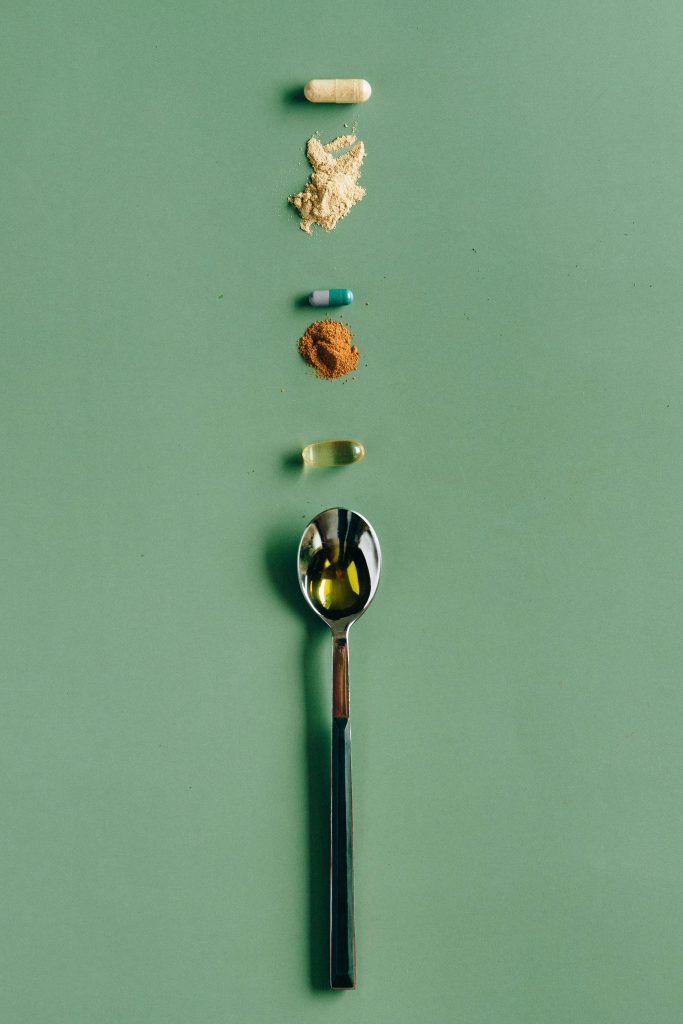

Let’s talk about supplements.
If you’ve ever walked into a pharmacy or scrolled through your feed after Googling “fertility help,” you’ve probably seen an avalanche of products promising everything from hormone balance to instant pregnancy miracles. Capsules, powders, teas—even fertility chocolates (yes, that’s a thing).
But do these supplements actually work? Or are we just paying for expensive placebo dreams?
At Fertility Cliques, we’re cutting through the noise with a breakdown of the most common fertility supplements, what science says about them, and how they might fit into your fertility journey.
First, Can Supplements Really Boost Fertility?
Short answer: sometimes yes—but not in isolation.
Supplements are not miracle cures. They’re exactly what the name says: supplements to a healthy lifestyle, proper diagnosis, and sometimes medical treatment. Think of them as your fertility support squad—not the captain of the team.
Certain vitamins, minerals, and antioxidants do support reproductive health by improving egg and sperm quality, balancing hormones, and reducing oxidative stress National Library of Medicine

Popular Fertility Supplements for Women: What Works and What’s Just Hype
Folic Acid (Vitamin B9)
Why it matters: Essential for cell growth and DNA formation. Low folate levels are linked to birth defects and ovulatory issues.
Verdict: Absolutely essential, especially if you’re TTC or undergoing IVF.
Myo-Inositol + D-Chiro Inositol
Why it matters: Great for women with PCOS. It improves insulin sensitivity, supports ovulation, and helps regulate cycles.
Best brands: Ovasitol, Conceive Plus Myo-Inositol
Verdict: Game-changer for PCOS warriors.
Coenzyme Q10 (CoQ10)
Why it matters: Powerful antioxidant that may improve egg quality, especially in women over 35.
Verdict: Strong science-backed supplement for those in their 30s and 40s.
Vitamin D
Why it matters: Plays a role in hormone production and endometrial receptivity. Deficiency is common with people who are often indoor with limited sun exposure.
Verdict: Essential, especially for women with irregular cycles or unexplained infertility.
Omega-3 Fatty Acids
Why it matters: Reduces inflammation and supports hormone regulation.
Best source: Fish oil supplements or omega-3-rich foods like mackerel and walnuts.
Verdict: Highly recommended, especially if inflammation is an issue.
Popular Fertility Supplements for Men: From Sperm Count to Super Swimmers
Zinc
Why it matters: Crucial for testosterone production and sperm motility.
Sources: Oysters, meat, pumpkin seeds—or supplements.
Verdict: Must-have for boosting male fertility.
L-Carnitine
Why it matters: Improves sperm motility and mitochondrial function (aka sperm energy levels).
Found in: FertilAid for Men, MotilityBoost
Verdict: Scientifically supported for men with sluggish swimmers.
Selenium
Why it matters: Supports sperm production and protects against DNA damage.
Verdict: Useful, but watch the dosage—too much can be toxic.
Vitamin C & E (Antioxidants)
Why it matters: Reduces oxidative stress, which can damage sperm DNA.
Verdict: Powerful combo for improving overall sperm health.
Top Fertility Supplement Brands People Are Using (and Raving About)
Here’s what’s trending (and trusted):
| Brand Name | For Who? | What It’s Known For |
| OvaBoost | Women | Egg quality, hormone balance |
| FertilAid for Men | Men | Motility, morphology, sperm count |
| Ovasitol | Women with PCOS | Cycle regulation, insulin support |
| FH PRO (by Fairhaven Health) | Men & Women | Premium blend of fertility-support nutrients |
| Conceive Plus | Couples | Sperm-friendly lubricant + vitamin support |
Note: Always consult your doctor before starting any supplement—especially if you’re undergoing treatment.
Red Flags and Fertility Fads: What to Watch Out For
Not everything with the word “fertility” on the label is safe or effective.
Beware of:
- “Detox teas” promising instant pregnancy
- Products with unclear ingredient lists
- Over-supplementation (more is not always better)
- Instagram ads with zero science and lots of caps lock
When in doubt, check for certifications and talk to a fertility-friendly doctor or nutritionist.
Supplements Alone Aren’t Enough—Here’s What Else You Need
Fertility Lifestyle Changes:
- Eat whole, nutrient-rich foods (think: sweet potatoes, eggs, spinach, seeds)
- Reduce alcohol and caffeine
- Sleep 7–9 hours per night
- Manage stress (therapy, movement, prayer, journaling—whatever works for you)
Get Tested:
Before you start a supplement stack that costs more than your rent, get fertility tests done. Check your:
- AMH, FSH, and LH levels
- Vitamin D and thyroid
- Semen analysis (for men)
Supplements work best when you know what your body actually needs.
Final Thoughts: Can Fertility Be Improved? Yes—with Wisdom, Not Wishful Thinking
Supplements can’t force fertility. But the right combination of nutrients can definitely support your body’s natural processes and improve your chances—especially when paired with medical care and healthy habits.
At Fertility Cliques, we believe in smart choices over hype, hope grounded in science, and support that’s culturally aware, inclusive, and real.
So if you’re popping pills with purpose—do it wisely, do it informed, and remember:
Fertility is a journey. Not a sprint, not a formula—but a deeply personal path where every step counts.
Sources


