

When it comes to boosting fertility, many of us are ready to try just about anything—from lifestyle changes to supplements to that magic “fertility smoothie” recipe online. But when it comes to food, can what you eat really make a difference? Is diet the secret sauce that can actually improve your chances of conception?
Let’s dive into the science, debunk some popular fads, and look at the best diets for fertility, including nutritious options from African cuisine.
The Science: Can Food Really Impact Fertility?
Fertility is affected by a myriad of factors—age, genetics, lifestyle choices, and yes, diet. Studies show that certain foods and nutrients can influence hormonal balance, egg quality, and sperm health. Here’s how it breaks down:
- Hormonal Balance: Nutrient-rich foods help regulate hormones like estrogen and progesterone, essential for ovulation and conception.
- Egg and Sperm Quality: Antioxidants found in fruits and vegetables protect cells from oxidative stress, which can damage eggs and sperm.
- Inflammation Reduction: Certain foods reduce inflammation in the body, creating a more optimal environment for conception.
While diet alone can’t fix every fertility issue, eating well can certainly help tip the scales in your favor.
Fertility Diets: Facts vs. Fads
Not all “healthy diets” are designed with fertility in mind. Some popular diets might actually hurt rather than help. Here’s the scoop on what’s helpful and what’s hype:
- Mediterranean Diet: A Proven Winner
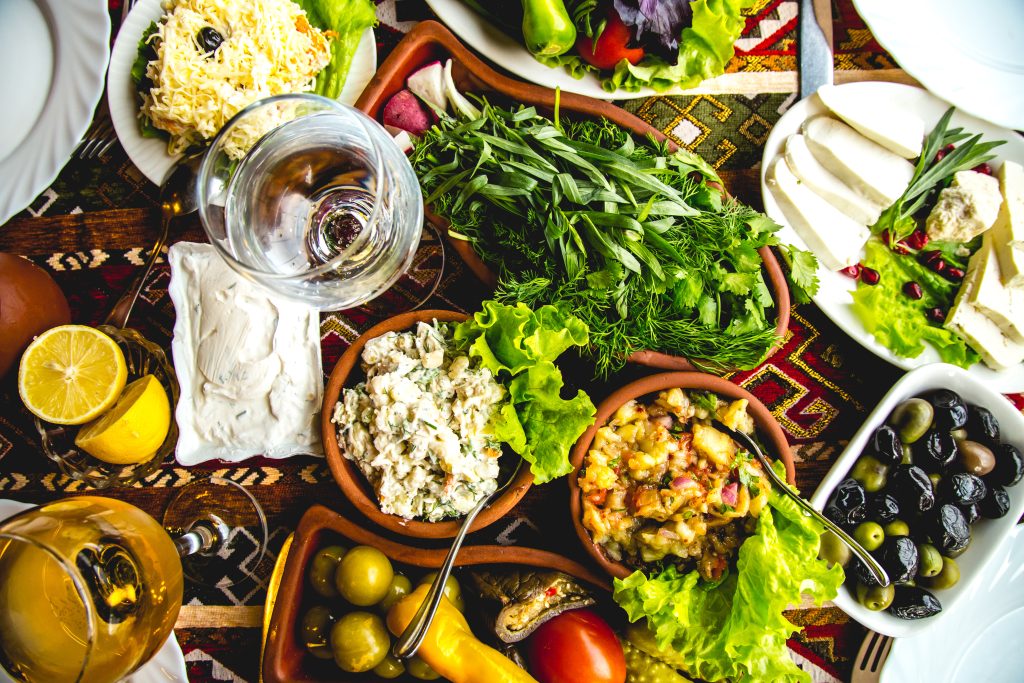
The Mediterranean diet, rich in fresh fruits, vegetables, whole grains, nuts, seeds, lean proteins, and olive oil, has been shown to support reproductive health in both men and women. This diet is nutrient-dense, high in antioxidants, and full of omega-3 fatty acids from sources like fish, which have been linked to improved egg and sperm quality.
Best for Fertility? Absolutely. The Mediterranean diet is one of the most well-researched options for enhancing fertility and supporting overall health.
- DASH Diet: Balancing Blood Sugar and Hormones
Originally designed to combat high blood pressure, the Dietary Approaches to Stop Hypertension (DASH) diet emphasizes whole grains, lean proteins, vegetables, fruits, and healthy fats. It’s great for managing blood sugar levels, which is essential for maintaining hormonal balance. This can be especially beneficial for people with PCOS, a common condition that affects fertility.
Best for Fertility? Yes. The DASH diet’s focus on balanced meals and low-sugar content supports hormonal stability, which is key for conception.
- Keto Diet: A Mixed Bag
The ketogenic, or “keto,” diet promotes high fat and low carbohydrate intake. This diet has become popular for weight loss and managing conditions like epilepsy, but its effect on fertility is mixed. While it can be beneficial for women with PCOS by reducing insulin resistance, a strict keto diet might limit essential fertility nutrients found in fruits, grains, and some vegetables.
Best for Fertility? It depends. If you have PCOS, a keto-style approach might help, but a long-term or strict keto diet might lack essential nutrients for reproductive health. A modified version with a focus on healthy fats could be more fertility-friendly.
- Paleo Diet: Good in Moderation
The Paleo diet, which emphasizes eating like our ancestors with whole foods, lean proteins, and lots of vegetables, can be helpful for fertility. However, it restricts dairy and grains, which are good sources of fertility-friendly nutrients like calcium, vitamin D, and folic acid.
Best for Fertility? Possibly. If you add dairy or fortified alternatives for calcium and other missing nutrients, a Paleo-style diet can support fertility by reducing inflammation and promoting a balanced nutrient intake.
- Plant-Based Diet: Great with the Right Balance
Plant-based diets, including vegan and vegetarian, are generally high in antioxidants and fiber, which are excellent for overall health and fertility. However, purely plant-based eaters may need to pay attention to protein sources, as well as getting enough B12, iron, zinc, and omega-3s, which are important for reproductive health.
Best for Fertility? Yes, if balanced. Plant-based diets can work for fertility if you ensure adequate intake of all essential nutrients, possibly with supplements as needed.
African Diet Staples for Fertility: Nutrient-Rich and Rooted in Tradition
Traditional African diets include many nutrient-dense foods that support fertility and health. Here are some staples that boost fertility and align well with both Mediterranean and DASH diet principles:
- Leafy Greens (e.g., Amaranth, Kale, and Spinach): These are packed with folate, iron, and calcium, which support reproductive health.
- Millet and Sorghum: Whole grains are high in fiber and promote balanced blood sugar levels, which is crucial for hormonal health. These grains are also rich in B vitamins.
- Fish and Seafood: Rich in omega-3s, fish like tilapia and mackerel support egg and sperm quality. Omega-3s reduce inflammation and improve blood flow to reproductive organs.
- Legumes (e.g., Black-eyed Peas, Lentils, and Cowpeas): High in plant-based protein, fiber, and iron, legumes help with hormone balance and provide energy to the reproductive system.
- Sweet Potatoes and Yams: These are high in beta-carotene, which the body converts to vitamin A, essential for reproductive health and hormone regulation.
- Nuts and Seeds (e.g., Groundnuts, Pumpkin Seeds, and Sesame Seeds): Loaded with zinc, protein, and healthy fats, nuts and seeds support hormone production and protect against cellular damage.
- Fruits (e.g., Baobab Fruit, Mango, and Papaya): High in vitamin C, antioxidants, and fiber, these fruits aid in hormone regulation and reduce oxidative stress on reproductive cells.
Fertility-Friendly Nutrients: What to Look For
To optimize your fertility, focus on these essential nutrients across any diet:
- Folic Acid: Essential for fetal development and found in leafy greens, beans, and fortified grains.
- Omega-3 Fatty Acids: Supports egg and sperm quality, available in fish, walnuts, and flaxseed.
- Iron: Needed for ovulation; found in red meat, beans, and leafy greens.
- Vitamin D: Helps regulate hormones and improves ovarian health, found in fatty fish, eggs, and fortified foods.
- Zinc: Critical for sperm quality and hormone production, found in meat, seeds, and legumes.
- Antioxidants: Protect reproductive cells from damage, found in berries, nuts, and colorful vegetables.
Key Takeaways: A Balanced Diet is Your Best Bet
Rather than following strict diet fads, focusing on a balanced diet that includes plenty of whole foods, lean proteins, and essential nutrients is your best strategy for enhancing fertility. The Mediterranean, DASH, and a modified plant-based diet all offer excellent foundations to support reproductive health. Integrating nutrient-rich foods from African cuisine can also be a powerful way to add variety and boost fertility naturally.
Call to Action: Start Prioritizing Your Fertility Health Now!
Thinking about your fertility? Start with your diet. Incorporate nutrient-dense foods, avoid the lure of restrictive diets, and embrace a balanced, whole-food approach. Your body will thank you!


