
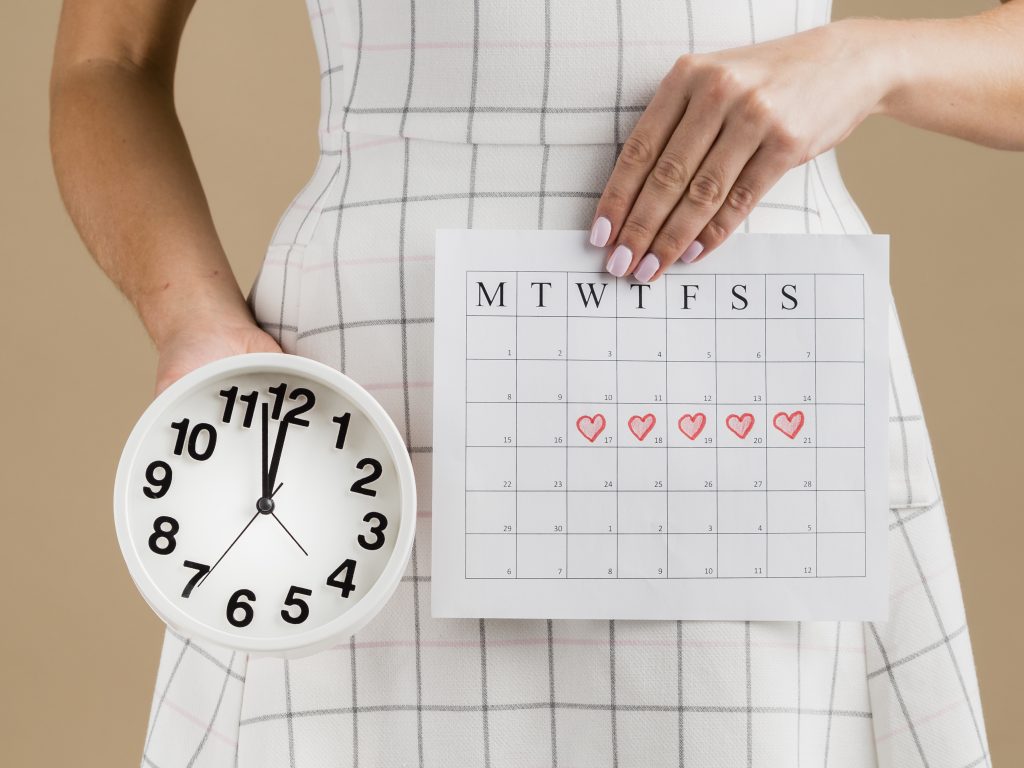

Think you know what ovulation is? Sure, you may know it’s when an egg is released, but there’s a whole science to this small yet mighty event. Ovulation is like the lead act in the fertility concert, and understanding it can help you take control of your reproductive goals—whether you’re hoping to start a family now, later, or just want to keep tabs on your health.
Let’s break down the “when, why, and how” of ovulation in a way that actually makes sense, no microscopes required.
When Does Ovulation Happen?
Most people think of ovulation as happening on Day 14 of their cycle. But here’s the deal: Day 14 is an estimate, and it’s only accurate if you have a “textbook” 28-day cycle (spoiler: most people don’t).
Ovulation typically happens 14 days before your next period starts. So if you have a 28-day cycle, yes, Day 14 is your target. But if your cycle is longer or shorter, ovulation can shift accordingly. It could be Day 12, Day 17, or something in between.
Pro-Tip: Tracking your cycle using an app, a basal body thermometer, or ovulation predictor kits can help pinpoint your exact ovulation date, not just the estimate.
Why Does Ovulation Matter for Conception?
Ovulation is the moment when an egg is released from the ovary, ready to meet a sperm and, fingers crossed, create a little magic. Here’s the catch: an egg only has a very short life span—about 12 to 24 hours after release. If sperm doesn’t meet the egg within that timeframe, the egg will disintegrate, and you’ll have to wait until the next cycle for another chance.
But don’t worry; the timing isn’t quite as rushed as it sounds. Sperm can live in the female reproductive tract for about 3 to 5 days, so having intercourse a few days before ovulation can increase the chances of sperm being there right when the egg makes its grand appearance.
Fun Fact: It takes just one sperm to fertilize an egg, but millions of sperm are in the running. Talk about competition!
How Can You Tell If You’re Ovulating?
While pinpointing the exact moment of ovulation can be tricky, your body actually gives a few clues that it’s ready to go. Here’s how to play detective with your own body:
- Cervical Mucus Changes: Right before ovulation, cervical mucus becomes clear, stretchy, and egg white-like. This is your body’s way of making it easier for sperm to swim toward the egg.
- Basal Body Temperature (BBT): Your BBT rises slightly after ovulation due to increased progesterone. Charting your BBT daily over a few cycles can help you understand your ovulation pattern.
- Ovulation Predictor Kits (OPKs): These at-home kits detect a surge in luteinizing hormone (LH), which happens right before ovulation. When you get a positive result, ovulation is likely within 12-36 hours.
- Physical Symptoms: Some people experience “mittelschmerz,” a mild twinge of pain on one side of their lower abdomen around ovulation. Others might notice increased libido or even heightened senses!
Common Misconceptions About Ovulation
Let’s clear up some of the biggest myths floating around about ovulation:
- Myth #1: “You can get pregnant any day of your cycle.”
Not true! Pregnancy is most likely during your fertile window—about 5 days leading up to and including ovulation day. - Myth #2: “Everyone ovulates on Day 14.”
Everyone’s cycle is different. Some people ovulate earlier or later than Day 14, depending on their unique cycle length. - Myth #3: “Ovulation means you’re definitely fertile.”
Ovulation is a necessary part of conception, but it doesn’t guarantee fertility. Other factors, like egg quality and hormonal balance, play a role too.
Ovulation and Age: Timing Matters
Here’s a not-so-fun fact: a person’s egg quality and quantity naturally decline with age. Most people are born with around a million eggs, but by the time you hit puberty, that number has dropped to about 300,000. By your 30s, both quality and quantity start to decline more noticeably, which can make conception trickier.
Tip for Your 30s and Beyond: If you’re planning to conceive later in life, consider monitoring your cycles and talking to a fertility specialist early on. Egg freezing and other fertility preservation options might be worth exploring if you want more flexibility.
The Ovulation Cheat Sheet: What to Remember
- Know Your Cycle Length: This helps you predict when you might be ovulating.
- Track Symptoms or Use OPKs: Learn your body’s ovulation signs or use a predictor kit.
- Hit the Fertile Window: Having intercourse a few days leading up to and on ovulation day increases your chances of conception.
- Don’t Rely on Averages: Every body is different. Track, track, track for accuracy!
Call to Action: Start Tracking Today for a Fertility-Boosting Edge
Knowing when you ovulate is powerful—whether you’re trying to conceive, avoid pregnancy, or simply want to understand your body better. Download a cycle tracking app, or get a journal, and start documenting each phase. You’ll be amazed at how much control and insight this can give you on your reproductive journey!
Picture credit: freepik


