

So, you’re on the TTC journey. You’ve googled “natural ways to boost fertility” so many times your algorithm now thinks you’re a full-time herbalist.
You’ve been offered “agbo”, pineapple core smoothies, okra water, red raspberry leaf tea, and maybe even a dance around d a fire (hey, no judgment).
But what actually works — and what’s just social media hype in a gourd?
At Fertility Cliques, we’re all about Fertility Education that’s evidence-based, culturally sensitive, and sometimes a little cheeky (because laughter is a natural stress reliever). Today, we’re breaking down popular natural fertility boosters to find out what’s fact, what’s fiction, and what’s worth a shot.

The Big Idea: Can You Really Boost Fertility Naturally?
Short answer? Yes — to a degree.
Natural fertility boosters work best when they:
- Support hormonal balance
- Improve egg and sperm quality
- Reduce stress and inflammation
- Enhance general reproductive function
But here’s the key: they’re not magic bullets. They won’t reverse blocked tubes or cure severe PCOS overnight. They’re part of a bigger picture that includes medical guidance, testing, and sustainable Fertility Lifestyle Changes.
Let’s Break It Down: What Actually Works?
- Maca Root – Mostly Magic
Claim: Balances hormones and boosts libido.
What the science says:
Maca has been shown to improve libido and sperm motility in some studies. It may also help balance estrogen levels, especially in women with irregular cycles.
Verdict: Promising! Safe in moderate doses, especially in powder or capsule form. Just don’t overdo it.
- Okra Water – More Myth Than Miracle
Claim: Thickens cervical mucus and “cleanses the womb.”
What the science says:
Okra is rich in folate and antioxidants — great for general health. But no clinical studies show it increases fertility.
Verdict: Hydrating and nutritious, but don’t expect miracles.
- Pineapple Core – Timing Is Everything
Claim: Helps with implantation post-ovulation.
What the science says:
Pineapple core contains bromelain, an enzyme with anti-inflammatory properties. Some believe it improves blood flow to the uterus.
Verdict: Not harmful. May help post-ovulation (days 1–5 after ovulation), but no solid science confirms its effectiveness.
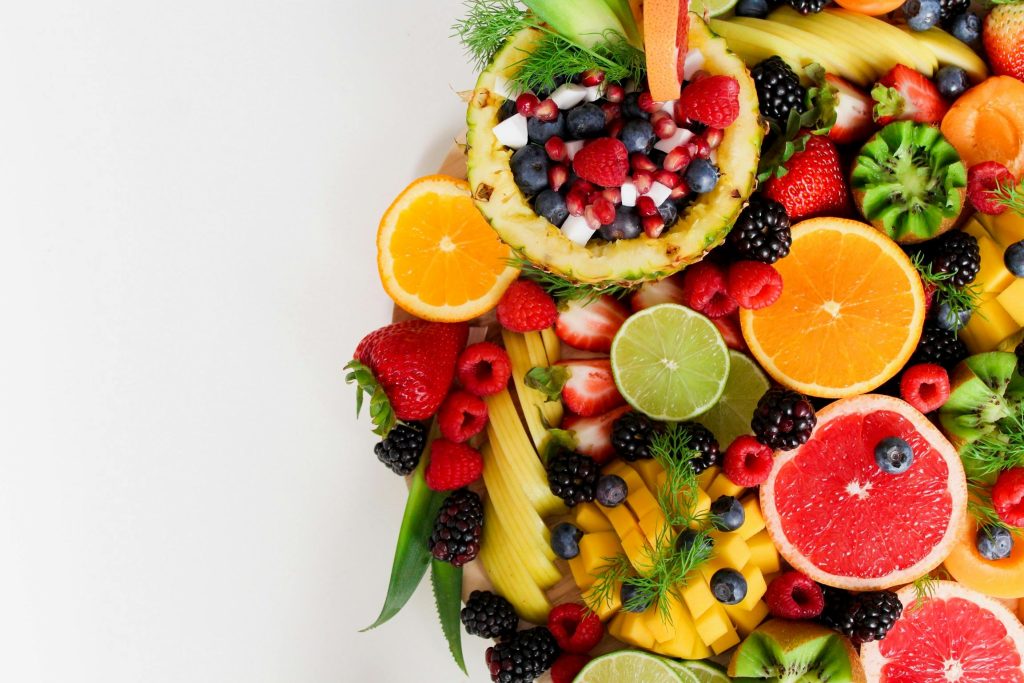
- Diet Rich in Antioxidants – Science-Backed and Super Effective
Claim: Improves egg and sperm quality.
What the science says:
Studies show diets rich in leafy greens, berries, whole grains, nuts, seeds, and omega-3s can significantly improve fertility in both men and women.
Verdict: Yes, yes, yes. This should be your daily Fertility Lifestyle default.
- Stress Reduction (Yoga, Journaling, Therapy) – Highly Underrated
Claim: Reduces cortisol levels and supports hormonal balance.
What the science says:
Chronic stress messes with ovulation, sperm production, and libido. Mindfulness practices have been shown to improve IVF outcomes and hormone regulation.
Verdict: Emotional wellness is reproductive wellness. Meditate, journal, go for a walk — whatever calms your storm.
- Castor Oil Packs – Traditional but Tricky
Claim: Detoxifies reproductive organs, improves circulation.
What the science says:
There’s little clinical research, but many women report less pelvic tension and better cycle regularity after consistent use.
Verdict: No hard science, but low risk. Use only pre-ovulation and avoid if pregnant or bleeding heavily.
- Herbal Teas (Red Raspberry, Nettle, Dong Quai, Chasteberry) – Some Help, Some Hype
What the science says:
- Red Raspberry Leaf: Supports uterine tone.
- Nettle: Rich in iron and minerals.
- Chasteberry (Vitex): Regulates progesterone but must be used carefully.
- Dong Quai: Can increase circulation but may not be suitable for everyone.
Verdict: Use with guidance, especially if you’re on meds or doing IVF. Not one-size-fits-all.
Fertility Boosters That Don’t Work (Sorry, Aunty)
Sweating Out “Toxins” with Hot Baths or Sauna Detoxes
Extreme heat can reduce sperm quality and negatively affect female fertility.
Rubbing Herbal Pastes on the Belly
Topical remedies don’t penetrate the uterus — they just make you smell like grandma’s kitchen.
Going Vegan “for Fertility” Without Planning
While plant-based diets can be healthy, unbalanced vegan diets may lack essential fertility nutrients like B12, iron, and omega-3s.
Bonus Fertility Health Tips You Can Start Today
Get 7–9 hours of sleep
Poor sleep = hormonal chaos = delayed ovulation and low sperm count.
Stay hydrated
Proper hydration improves cervical mucus, hormone transport, and sperm motility.
Cut back on caffeine and alcohol
Too much of either = fertility roadblocks. Moderation is key.
Move your body (gently!)
Exercise helps regulate insulin and sex hormones — but avoid extremes.

When to Stop “Natural” and See a Doctor
Natural remedies are helpful, but they aren’t a replacement for medical evaluation.
See a fertility doctor if:
- You’re under 35 and TTC for over 12 months
- You’re over 35 and TTC for over 6 months
- You’ve had two or more miscarriages
- You have irregular periods, severe cramps, or known conditions (like PCOS, endometriosis, fibroids)
Use natural remedies to support—not delay—proper care.
Final Thoughts: Fertility Isn’t Magic, But It’s Manageable
Natural fertility boosters are part of a broader toolkit that includes:
- Medical support
- Lifestyle shifts
- Mental health care
- Honest conversations
- And a healthy dose of patience
At Fertility Cliques, we love a good herbal tea as much as the next person—but we’re here to empower you with truth, not trends.
So sip your tea, eat your greens, breathe deep—and let’s keep walking this journey with clarity, care, and courage.
Because your fertility journey deserves facts, not just folklore.
References


