
When it comes to fertility, we often talk about age, hormones, and lifestyle. But one silent player sits in the background, often underestimated yet deeply influential: religion.
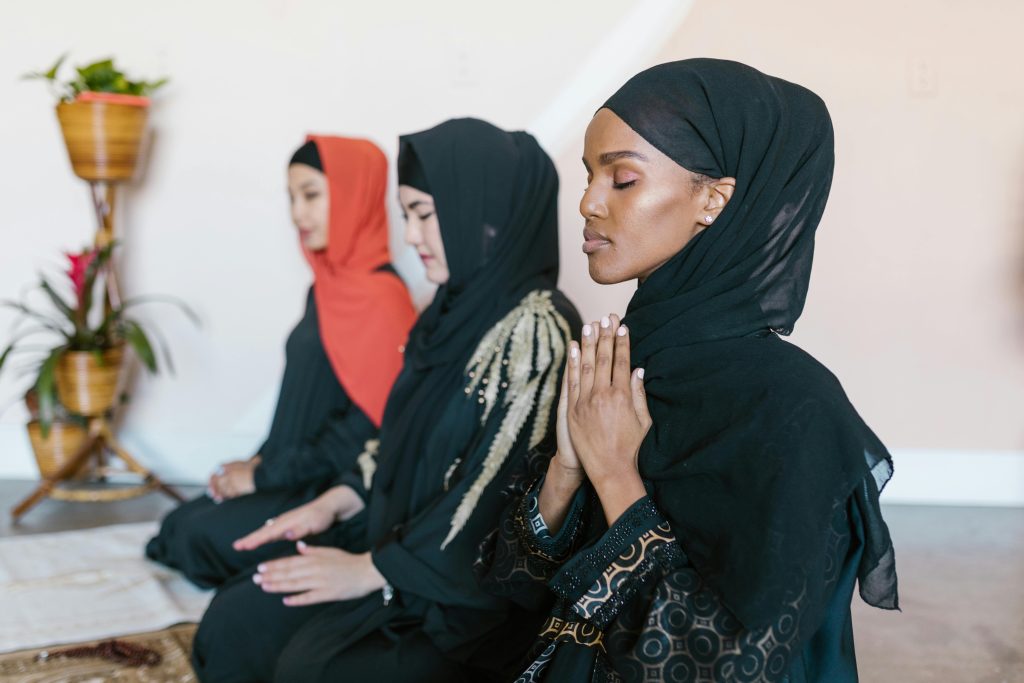
For millions of people around the world — especially in Africa — religious beliefs aren’t just Sunday (or Friday) rituals. They shape core life decisions, including when to have children, how to seek help when there’s a delay, and whether fertility treatments like IVF are even an option.
So, how exactly do religious teachings influence fertility choices? Let’s unpack it with some real talk, spiritual insight, and a dose of Fertility Education that keeps it real and respectful.
The Bible, the Qur’an, and the Test Tube: Where Faith Meets Fertility Science
Religious texts weren’t exactly written with ICSI or cryopreservation in mind. But the principles and values in Christianity and Islam still guide how believers view reproduction, infertility, and fertility interventions.
Christianity and Fertility: A Mixed Bag of Faith and Ethics
Christianity is diverse. From Roman Catholicism to Pentecostalism, Anglicanism to African Independent Churches, there’s no one-size-fits-all view. But here’s the gist:
Roman Catholicism:
The Catholic Church officially frowns upon most assisted reproductive technologies, including IVF. Why? The belief is that life should begin naturally through marital intimacy — and that separating procreation from the marital act (as IVF does) is morally wrong.
“The Church opposes IVF because it replaces the conjugal act, not assists it.” — Catechism of the Catholic Church
Even freezing eggs or embryos is seen as problematic. Adoption, however, is encouraged for couples unable to conceive.
Protestant Denominations:
More flexibility exists here. Some churches allow IVF and IUI as long as it’s the couple’s own genetic material (i.e., no donor sperm or eggs). Others are open to broader treatments but with caution and prayerful consideration.
In Nigeria, where Christianity is a dominant religion in the south, many pastors encourage prayer and fasting first — with medical treatment as a “plan B.” Yet increasingly, some churches are embracing fertility clinics as a “miracle through science.”
Islam and Fertility: Faith with Firm Foundations
Islam places a high value on family and procreation — it’s considered a duty (and a blessing) to have children.
The Core Views:
In Islamic jurisprudence, fertility treatments like IVF are generally allowed under certain conditions:
- The sperm and egg must come from the married couple.
- No third-party donor or surrogate is allowed.
- All procedures must occur during the validity of the marriage.
“IVF is permissible in Islam, provided there is no mixing of lineages.” — Islamic Fiqh Council
In Egypt, Pakistan, and Northern Nigeria, where Islamic principles often blend with public policy, these guidelines are taken very seriously. Clinics in these regions often align with Sharia-compliant protocols.
However, donor sperm, donor eggs, and surrogacy are considered haram (forbidden) because they introduce a third party, which is seen as violating the sanctity of marriage.

When Faith Gets Personal: Real Dilemmas, Real Stories
Let’s be honest. It’s easy to quote doctrine — but fertility journeys are deeply personal. And religious pressure can add extra emotional weight.
Anu’s Story (Lagos, Nigeria):
“My mother-in-law asked if I was ‘tempting God’ by doing IVF. But how long can we pray without taking steps?”
Anu and her husband are Pentecostal Christians. After 5 years of trying and several prophecies, they decided to pursue IVF. It was a tough decision — not because they didn’t believe in God, but because they had to navigate spiritual guilt and community judgment.
Aisha’s Story (Kano, Nigeria):
“We were told IVF was allowed as long as no donor was used. So we did it, quietly. Even our Imam said it was okay. But I still haven’t told my aunties.”
Her clinic followed Islamic protocol, but the silence around infertility in her community made the process feel isolating. The pressure to “conceive naturally” is real — and deeply gendered.
Faith Isn’t the Problem — Silence Is
Many African communities, deeply rooted in religious traditions, are quick to prescribe “God’s timing” and “divine intervention” as the only remedies for infertility. While faith is powerful, this approach can delay timely medical help — and increase emotional suffering.
At Fertility Cliques, we believe that religion and reproductive health don’t have to be at odds. You can believe in miracles and still believe in medical science. You can trust divine timing while also taking steps to optimize your fertility health.
How to Navigate Fertility Choices When Religion Plays a Role
Here are some Fertility Health Tips to help you strike a balance between your beliefs and your wellbeing:
- Know What Your Faith Says
Don’t rely on second-hand opinions. Ask your religious leader directly or explore official teachings. Understanding the theological reasoning can help you make informed, guilt-free choices.
- Talk to Faith-Aware Fertility Clinics
Some fertility centres specialize in religiously sensitive care. If you’re Muslim, Christian, or follow African Traditional Religion, seek out practitioners who respect your values.
- Infertility Is Not a Sin
Let’s be clear: seeking help to conceive isn’t a lack of faith. It’s an act of hope. Fertility treatments don’t replace God—they can be a part of the journey He blesses.
- Pray, Then Plan
You can pray for a child and still go for a hormone test. You can sow a seed in church and still take your Clomid. Faith and fertility care are not mutually exclusive.
- Break the Stigma
Start the conversations your aunties are too shy to have. Share your story. Be open. The more we talk, the less shame there is for others.
Final Thoughts: Choosing Faith, Choosing Fertility
Whether you’re fasting and praying or injecting hormones and tracking ovulation — your fertility journey is valid. Religious beliefs can guide and empower us, but they should never trap us in silence, shame, or fear.
At Fertility Cliques, we’re here for all of it — the questions, the doubt, the praise, the tears, and the pregnancy tests. We believe in creating space where Fertility Education is sacred, Fertility Health Tips are science-backed, and Fertility Lifestyle Changes are encouraged with compassion.
Because faith and fertility are not enemies — they’re allies. And your path? It’s yours to walk, with your God, your heart, and your choices.
References:
- Catechism of the Catholic Church – IVF https://www.vatican.va/archive/ENG0015/__P88.HTM
- Islamic Fiqh Council on IVF https://pmc.ncbi.nlm.nih.gov/articles/PMC6534342/
- Fertility and Religion in Nigeria https://pmc.ncbi.nlm.nih.gov/articles/PMC8270420/
- Ethical and Religious Directives for Catholic Health Care https://www.usccb.org/sites/default/files/2021-03/Ethical-Religious-Directives-Catholic-Health-Care.pdf
- The Guardian Nigeria on Faith & Fertility https://ng/life/faith-and-fertility-the-science-spirituality-dilemma/
- Islam and Assisted Reproduction https://pmc.ncbi.nlm.nih.gov/articles/PMC8724212/