
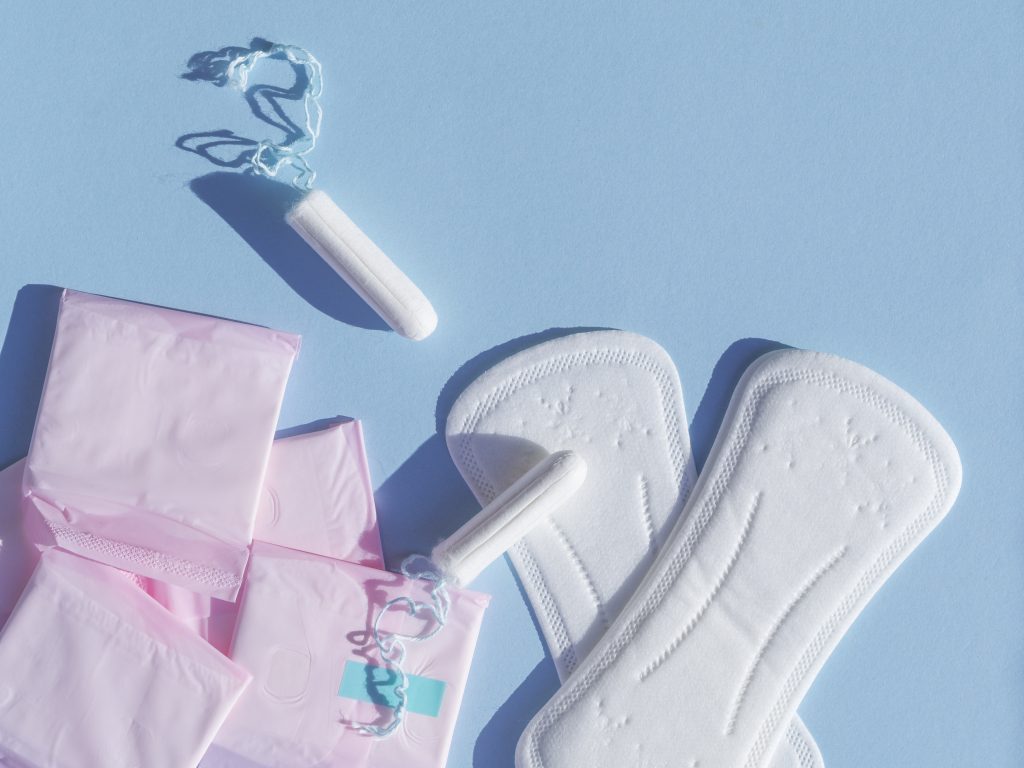

Menstruation—something that happens regularly for half the world’s population—is so much more than just “that time of the month.” In fact, the way you care for yourself during your period has a direct impact on your overall health, including your reproductive health. Let’s break down why menstrual hygiene is vital, the do’s and don’ts of period care, and common mistakes many women unknowingly make that can lead to serious health issues.
Why Menstrual Hygiene Matters for Reproductive Health
During menstruation, the body sheds the uterine lining, creating a pathway for menstrual blood to leave the body. Since this natural process opens the cervix slightly, it’s also a time when the reproductive tract is more susceptible to bacteria and infections. Proper menstrual hygiene is essential to avoid introducing harmful pathogens that could lead to infections affecting fertility and your overall reproductive health.
Top Menstrual Hygiene Practices for Healthier Cycles
There are some golden rules for menstrual hygiene that every woman should follow to keep her body healthy and balanced. Here’s what you need to know:
- Change Your Sanitary Products Regularly
Whether you prefer pads, tampons, or menstrual cups, the rule remains the same: change your product frequently. For pads, this means every 4-6 hours, depending on your flow. Tampons should ideally be replaced every 4-8 hours, and menstrual cups should be emptied and cleaned every 8-12 hours. This regular change prevents bacteria from building up and reduces the risk of infection.
- Use Breathable, Comfortable Underwear
When it comes to menstruation, choosing the right underwear can make a difference. Opt for cotton underwear or other breathable materials that allow air circulation and reduce the chances of irritation or infections. Tight, non-breathable underwear traps moisture and warmth, creating a perfect environment for bacteria.
- Clean Yourself Properly
Good menstrual hygiene also involves keeping the vaginal area clean. Wash your intimate area with warm water and avoid using harsh soaps or scented products that disrupt the natural pH balance. Stick to mild, unscented soap around the area but never inside the vagina, as it cleans itself.
- Go Organic, If Possible
Some sanitary products are filled with chemicals, synthetic fibers, and fragrances. Organic cotton pads or tampons are a safer option for many, as they’re free of dyes and chemicals that might irritate sensitive skin. If switching to organic is possible, your body may thank you for it in the long run.
- Dispose of Used Products Correctly
It’s easy to overlook, but proper disposal is an essential part of menstrual hygiene. Wrap used sanitary products in toilet paper or a disposal bag and throw them in the trash—not down the toilet. Flushing tampons or pads can clog plumbing and is generally unsanitary.
Menstrual Hygiene Habits to Avoid
While many women take care to follow hygiene basics, some habits can quietly undermine reproductive health over time. Here’s what you should avoid:
- Using a Tampon for Too Long
Leaving a tampon in for more than 8 hours can lead to a rare but serious condition called Toxic Shock Syndrome (TSS), caused by bacteria that can grow when a tampon is left in too long. TSS can lead to organ failure or even death in severe cases. To stay safe, set a reminder to change your tampon and never leave it overnight.
- Douching: A Dangerous Myth
Douching, or rinsing the vagina with water or other solutions, is unnecessary and harmful. Douching disrupts the natural pH balance and washes away healthy bacteria that protect against infections. The vagina cleans itself naturally, and douching only opens the door to infections.
- Skipping Showers or Baths
Some women might feel like skipping a shower or bath during menstruation because of discomfort or cramps. But, personal hygiene should be even more prioritized during this time. Taking a quick, gentle shower not only keeps you fresh but also helps prevent infections.
- Using Scented Products
Scented tampons, pads, or pantyliners can cause allergic reactions or irritation. These products often contain chemicals and fragrances that are unnecessary and can do more harm than good by disturbing the natural flora. Stick to unscented, hypoallergenic options.
- Ignoring Menstrual Pain or Abnormal Symptoms
It’s normal to experience mild cramps, but extreme pain, heavy bleeding, or irregular cycles may signal underlying health issues such as endometriosis, fibroids, or hormonal imbalances. If you or a loved one experience intense pain or abnormal bleeding, consult a healthcare provider—early detection can make a world of difference.
The Connection Between Menstrual Hygiene and Reproductive Health
Maintaining excellent menstrual hygiene isn’t just a matter of comfort—it’s a critical part of reproductive health. Neglecting proper hygiene can lead to bacterial infections, some of which might escalate and impact fertility over time. For instance, infections like bacterial vaginosis or urinary tract infections (UTIs) can make conception more challenging if left untreated.
Additionally, menstrual irregularities, which might be masked by poor hygiene or disregarded, can also hint at fertility-impacting conditions. Keeping an eye on your cycle and staying consistent with hygiene practices can make a real difference.
Inequities for Menstrual Hygiene
In some regions or poor communities, access to safe, affordable menstrual hygiene products is a challenge. This shortage often forces women to use unsanitary materials such as rags, mattress foams or towels, which raises their risk of infection and impacts their long-term reproductive health. Supporting girls and women from these communities with free sanitary pads will improve their reproductive health and well-being.
The Takeaway: Menstrual Hygiene as an Essential Part of Self-Care
Menstrual hygiene isn’t a luxury or a secondary concern; it’s an essential part of reproductive health. Following these practices, avoiding harmful habits, and staying attuned to changes in your cycle empower you to take charge of your health and well-being.
Call to Action: Share this with a friend, sister, or colleague to spread the word about menstrual hygiene and its crucial role in reproductive health. For the health and happiness of all women, let’s make menstrual hygiene a conversation we all have—openly, and without shame.


